The Academy of Science of St. Louis History
Founded in 1856 by twelve physicians, a lawyer, an engineer, and a businessman, The Academy of Science of St. Louis was created to advance the sciences—zoology, botany, geology, chemistry, physics, and more—in the rapidly growing city. Members built a museum collection, maintained a library, published a journal, and corresponded with leading scientists studying the regions west of St. Louis.
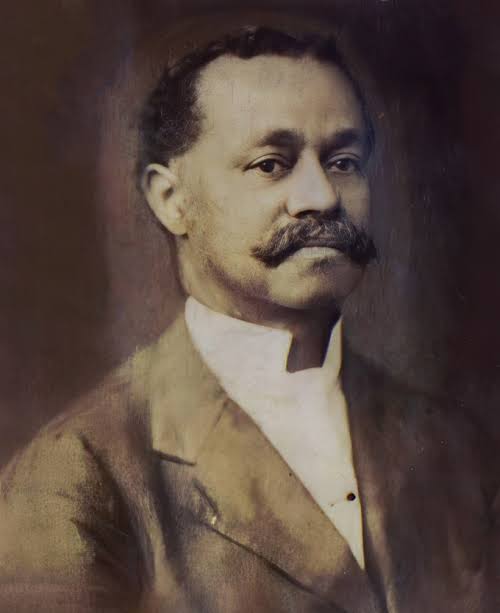
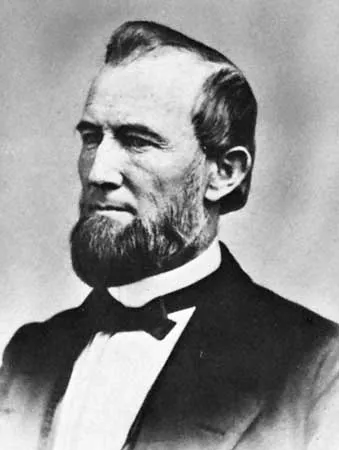
Many founders left lasting marks on the city’s scientific landscape. George Engelmann, the Academy’s first president and a noted amateur botanist, helped plan the Missouri Botanical Garden. Friedrich Wislizenus co-founded the Missouri Historical Society. Other physician-founders shaped institutions across the region: Benjamin Shumard contributed to Missouri’s first geological survey, Simon Pollak helped establish the Missouri School for the Blind, and several others taught at the city’s medical colleges or led public health and asylum work. Beyond medicine, engineer James B. Eads later built the Eads Bridge, attorney Nathaniel Holmes expanded the Academy’s library through exchanges with other societies, and businessman Charles P. Chouteau contributed specimens from his studies of the region’s natural history.
Early members gathered natural history specimens from the American West, with Chouteau and Wislizenus amassing extensive botanical, zoological, and geological collections. Later donors, including Henry M. Whelpley and Stratford Lee Morton, added Native American artifacts, minerals, shells, and fossils.
The Academy’s journal, Transactions of the Academy of Science of St. Louis, became one of the world’s most respected scientific publications, sought after by societies across the U.S. and Europe for its research on the natural history and geology of the West. Among its contributors was Charles Henry Turner, a pioneering African-American entomologist who published more than 50 papers on neurology, invertebrate ecology, and animal behavior.
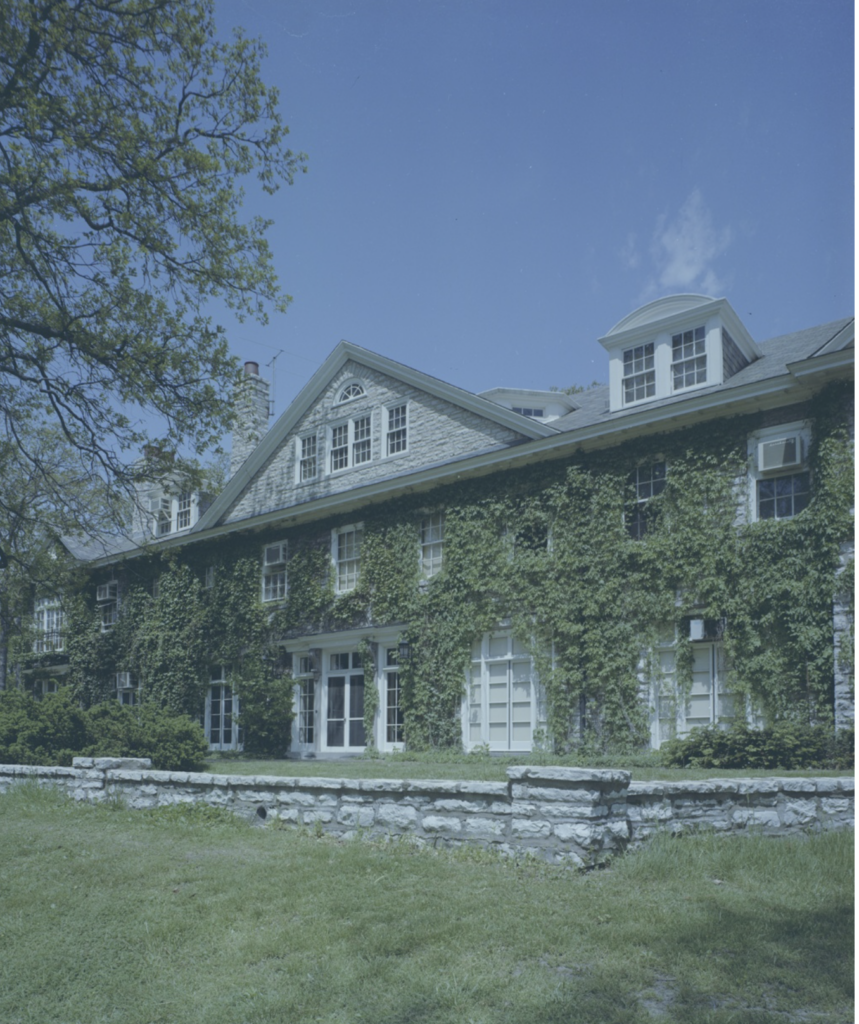
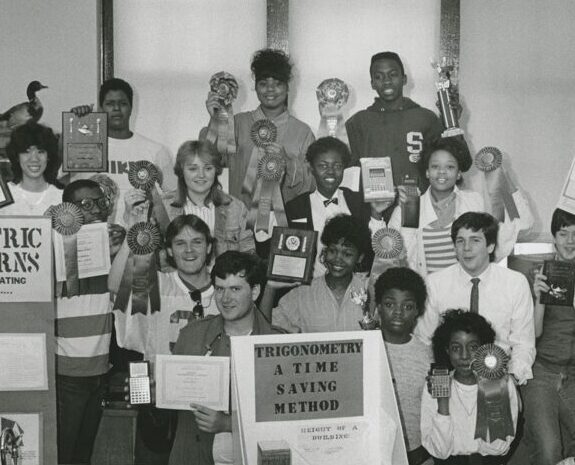
The Academy’s influence extended into public education through lectures, exhibits, and television programs, and its museum in Clayton’s Oak Knoll Park introduced thousands of children to science. The organization also helped spearhead the creation of the St. Louis Science Center.
Today, the Academy continues this mission, connecting scientists to the community and advancing St. Louis as a scientific powerhouse – where science is trusted and scientists thrive.